
On the coastThe road over the ridge is winding and slow behind trucks. Gjirokastër is hotter than the coast in summer and the cobbles are steep and polished, so walk early and carry water.
From the floor of the Drino valley, Gjirokastër looks like a town carved from the mountain behind it. Houses of grey stone rise in steps up a steep slope, their roofs covered not in tiles but in heavy slabs of the same stone, and above them all runs the long, blunt profile of the castle. Locals and guidebooks alike call it the museum city, and for once the nickname is fair: the old town is protected as a whole, and much of it looks as it did when it was built.
It is a different world from the beach towns, an hour or so inland over the hills from Sarandë. There is no sea here, the summers are hotter and the winters colder, and the history is about trade routes, Ottoman governors, Albanian clans and the twentieth century rather than harbours. Give it at least a full day, and longer if you can.
A UNESCO town of tower houses
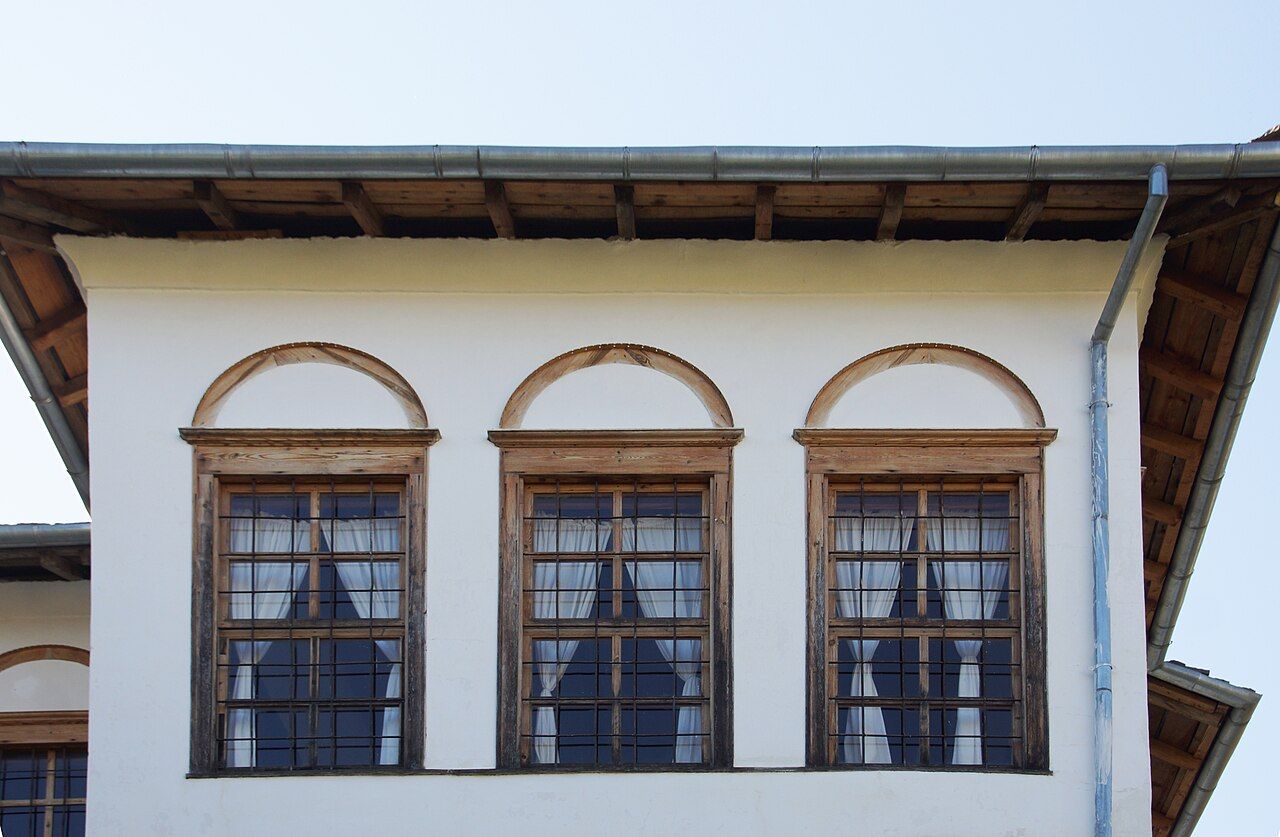
Gjirokastër was inscribed on the UNESCO World Heritage list in 2005, and the listing was later extended to include Berat, the other great Ottoman-era town of central Albania. The reason is the tower house, known as a kulla. These are tall, fortified family homes, built mostly in the eighteenth and nineteenth centuries, with stone lower floors used for storage and water, and lighter, wood-lined living rooms above.
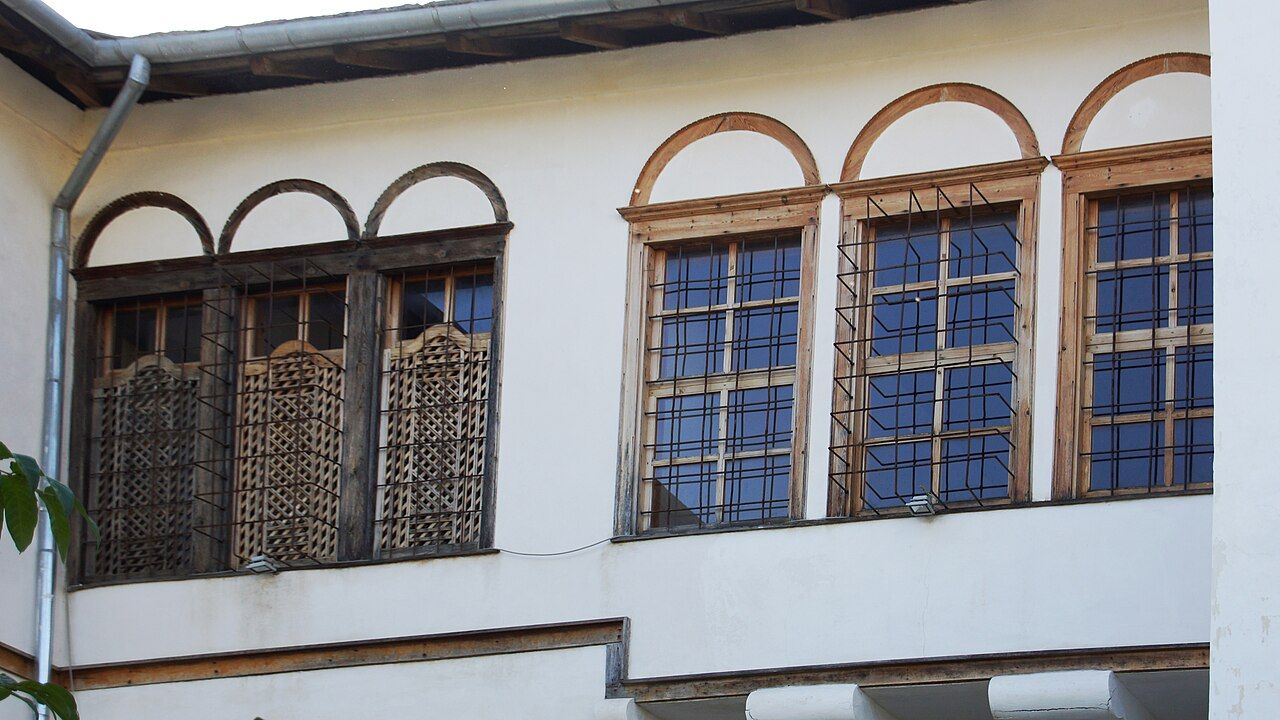
The lower walls are thick and the windows small, a reminder that these were houses built for families who expected trouble. Higher up, the rooms open out. Rows of arched windows, carved wooden ceilings, fireplaces and built-in cupboards made the upper floors the heart of the household, and the best rooms looked out over the valley. Several of the large houses are open to visitors, and walking through one is the quickest way to understand how the town worked.
The roofs are the town's signature. Slabs of grey stone are laid in overlapping courses over a timber frame, which makes each roof enormously heavy and requires constant upkeep. From the castle, the whole slope below is a pattern of grey scales broken by chimneys and walnut trees. Restoration has been under way for years, and you will see houses at every stage, from carefully repaired to roofless.
The Old Bazaar
The old town meets at the Old Bazaar, a junction of steep cobbled streets lined with stone shops below wooden upper storeys. The streets are paved in pale limestone and darker stone set in simple patterns, polished smooth by centuries of feet, and they are slippery in the rain and treacherous in the wrong shoes. Wear something with grip.
The bazaar is the place to see local crafts: carved wood, woven textiles, embroidered pieces, copper and the grey stone itself. Some of it is made in the region and some is not, so look closely and ask. Around the junction, small places to eat serve the dishes of the south, and Gjirokastër has its own specialities, including qifqi, fried rice balls with herbs and egg. Our guide to what to eat in the south covers the wider picture.
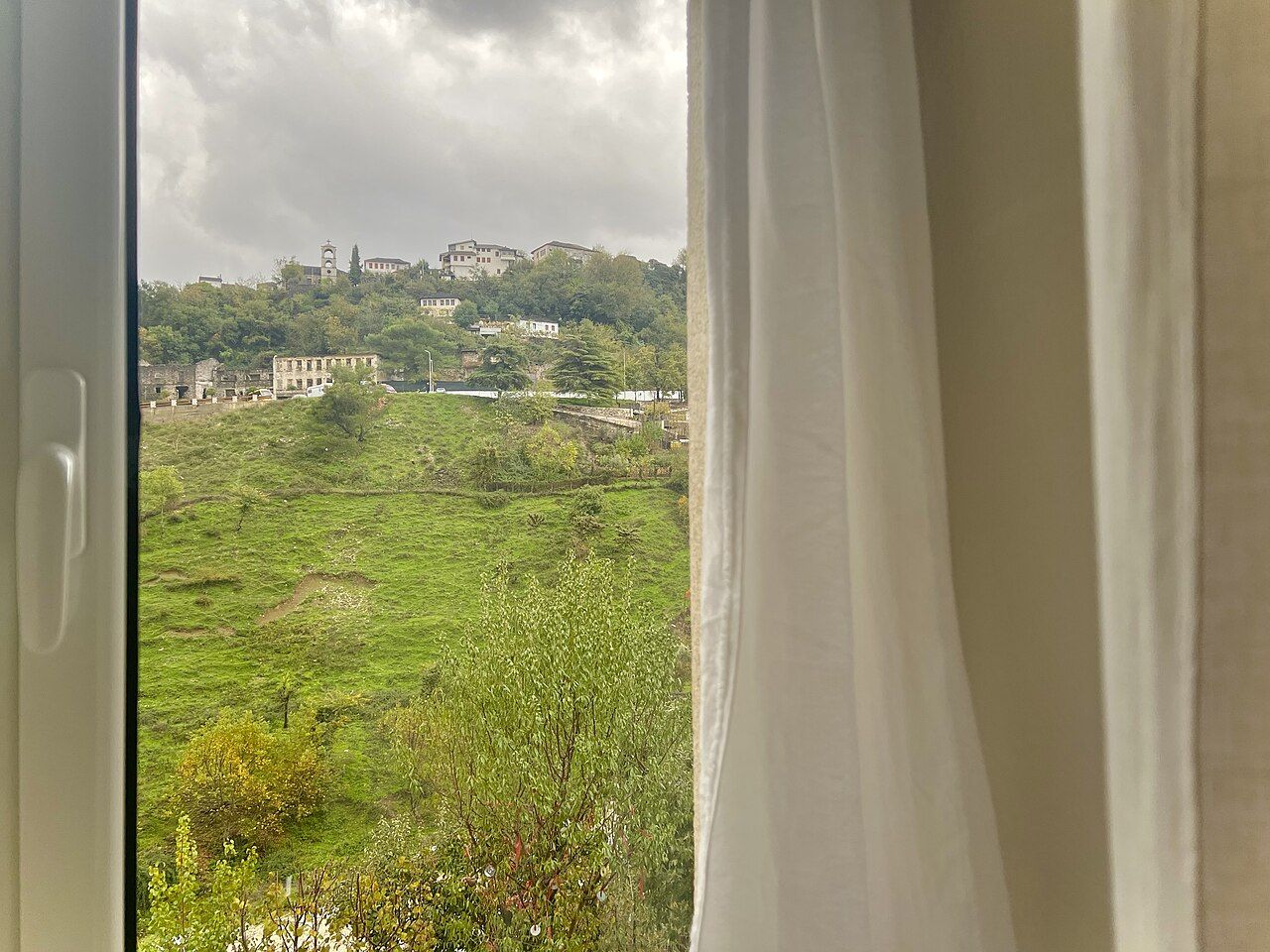
Above and around the bazaar, lanes lead off between high walls into the residential quarters. This is where the town is at its best: walking without a plan, up stone stairs and past heavy wooden gates, with the valley appearing suddenly between houses. Distances are short, but the slopes are steep, so allow more time than the map suggests.
Onward · InlandDelvinë and the hills behind the coastThe castle on the ridge
The castle is one of the largest in the Balkans, a long fortress stretching along the ridge above the town. Parts of it go back many centuries, and it was rebuilt and enlarged in the Ottoman period, including in the time of Ali Pasha of Tepelena, the powerful governor who controlled much of this region around the start of the nineteenth century.
Inside, dark vaulted galleries hold a military museum with old artillery pieces, guns and displays from Albania's wars. Out on the rampart sits a captured US aircraft displayed in the castle, from 1957, its story told in various versions over the decades. The castle has also served as a prison, a chapter that is a reminder of harder times.
In some years the castle hosts a national folk festival, when singers and dancers from across Albania gather in its open courtyard. Dates are irregular. On any ordinary day, the reason to climb up is the view: the stone roofs falling away below, the valley floor, and the mountains on the far side. Opening hours and entry fees change, so look them up before you go.
Give it at least a full day, and longer if you can.
Writers and the twentieth century
Ismail Kadare, Albania's most famous novelist, was born in Gjirokastër in 1936, and the town runs all through his work. His novel Chronicle in Stone describes a wartime childhood in a city of steep streets and stone roofs that is clearly this one. If you read one book before your trip, make it that one; the town will look different afterwards.
Enver Hoxha, who led communist Albania for four decades, was also born here. The town does not hide the fact, nor does it make a show of it, and you will find his legacy discussed in museums and in conversation in a measured way. The communist years left their marks across Gjirokastër, as they did across the country, including bunkers and a large underground shelter built into the hill, sometimes open to visitors.
Reaching it and shaping the day
From Sarandë the road climbs over the Muzinë pass, past the turning for the Blue Eye spring, and descends into the Drino valley. Allow about an hour to an hour and a half each way by car, longer by bus. Buses and minibuses run between the two towns.
A good day starts early: the Blue Eye before the crowds, then Gjirokastër by late morning, lunch near the bazaar, and the castle and a tower house in the afternoon when the light turns gold on the stone. Staying overnight lets you see the old town at dusk and early morning, which are its quietest hours. Afterwards, the evening on Sarandë's seafront feels a long way from the mountains.
In summer, midday on the cobbles is hot and shadeless in places, so carry water and pace yourself. Spring and autumn are kinder for walking, and the mountains around the valley are at their clearest after rain.